Incorporating Generative AI in the gamification of Organizational Learning & Development
Whether you love, hate, or love to hate generative AI, it is here, and it’s not going anWhether you love, hate, or love to hate generative AI, it is here, and it’s not going anywhere. Organizations and individuals are incorporating large language model capabilities into their daily lives, whether they realize it or not, and have been for years.
Search engines, social media, online shopping, and even word-processing grammar checks are already utilizing AI capabilities.
The debate about whether or not we “should” use AI is over. We are. The question now is: how?
Last night, a conversation about the challenges and fishbowl nature of leadership and public-facing roles morphed into a discussion on personality traits and assessments such as Myers-Briggs and DISC. Most of us are familiar with them, either through experience or by reputation, and understand that they are commonly used for self-discovery and team building—helping us understand how best to communicate and work together. They have been around for a long time, and their training sessions usually follow a fairly standardized format:
- The facilitator introduces themselves and the tool.
- They explain the science, their qualifications, and why the assessment is used.
- Participants individually complete the assessment.
- The group reviews and discusses the accuracy of the results.
- The facilitator explains the preferred communication styles associated with each personality type.
- Participants discuss how to build the most effective teams for various projects.
It’s usually quite similar from session to session. It can be repetitive, disengaging, and too often isn’t mentioned again until the next mandatory HR professional development session.
But what if AI could change that?
What if we incorporated generative AI into training that not only discusses the ethical and privacy considerations of AI but also combines it with personality assessments to create a hybrid workshop that gamifies communication, team building, and self-awareness while simultaneously teaching participants how to use generative AI effectively?
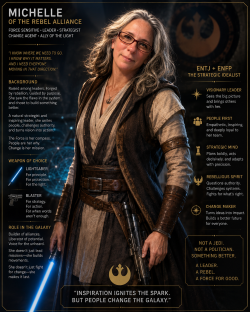
Without disclosing any personal information about myself other than my profile picture, which is already public on my social media accounts, I told a generative AI tool what my DISC and Myers-Briggs results were after completing the assessments. I asked it to compare those traits against the entire Star Wars canon and describe me as a character. After evaluating the output for accuracy based on what I know about myself, my assessment results, and my personal interests, I asked it to generate a trading-card-style graphic.
Here was the result:
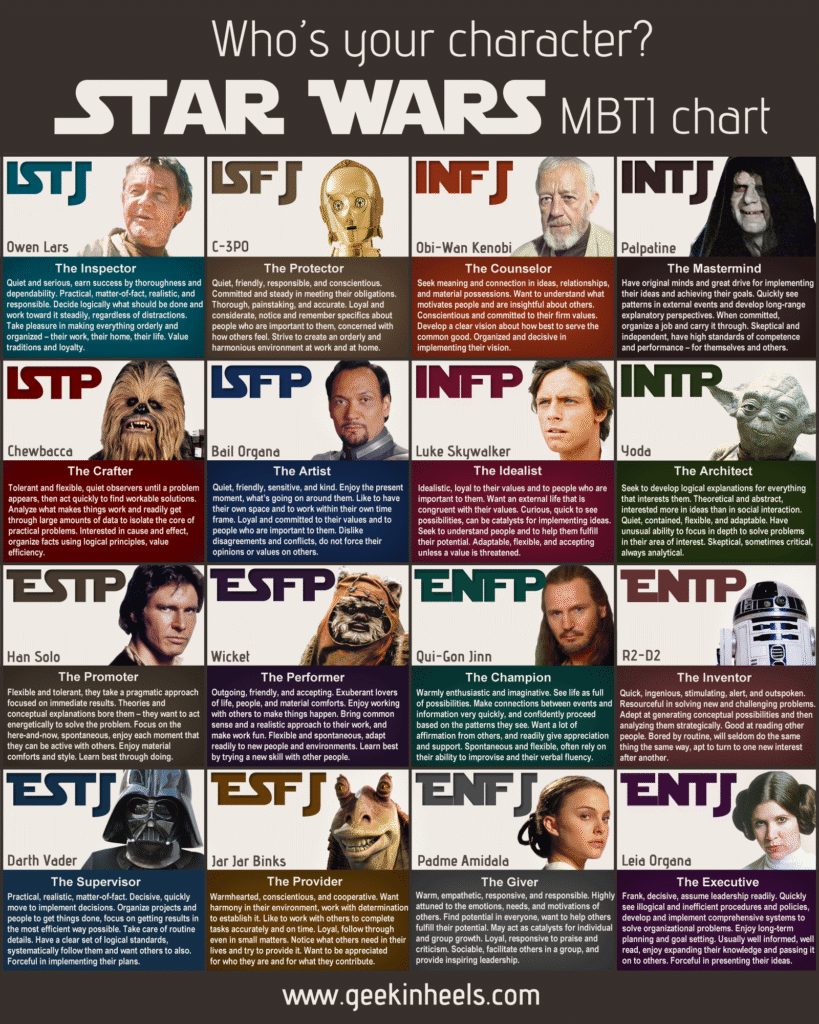
I chose Star Wars because it’s a family interest of ours, and during our discussion, someone shared a graphic from geekinheels.com that I thought was fantastic.
Now, Star Wars works for me, but it could just as easily have been a card inspired by sports, music, history, literature, or any other interest. There are virtually no limits. And what an individual chooses for their card can provide valuable insight into who they are as a whole person beyond the results of a personality assessment.
Imagine the conversations that might happen after this professional development session as coworkers share their cards, tell their stories, and explore what others have created.
The conversation begins with:
“Who are you?”
“What’s your character like?”
And isn’t that the exact intention of this type of training?
When air hammers were introduced to construction or tractors replaced horses in the fields, humanity adapted. We used those innovations for what they were designed to be: tools. Tools that allowed us to spend less time driving nails, less time working the fields, and more time exploring what makes us—and our organizations—human.
Michelle Budiwski, MBA(HRmgt), PMP